International Trade Basics: Balance of Payments, Currency Exchange, and Trade Barriers
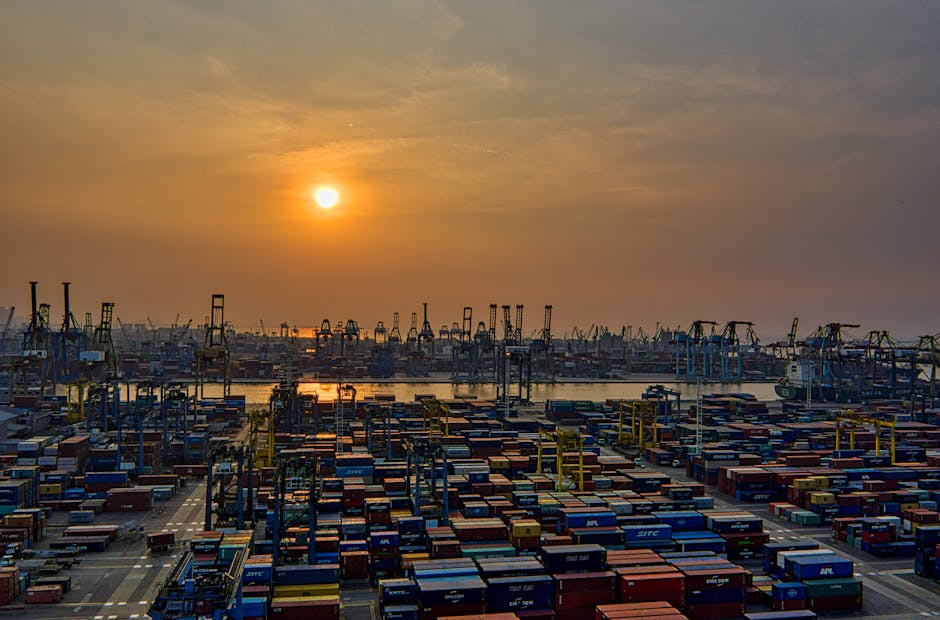
International trade plays a crucial role in shaping the global economy. To study this intricate web of commerce, we will focus on its three fundamental components balance of payments, currency exchange, and trade barriers.
Balance of Payments
The Balance of Payments (BoP) is a statement recording all economic transactions between a country and its trading partners over a specified period. It compares a country’s international payments with its international receipts. Learn More about our Financial Services
Currency Exchange
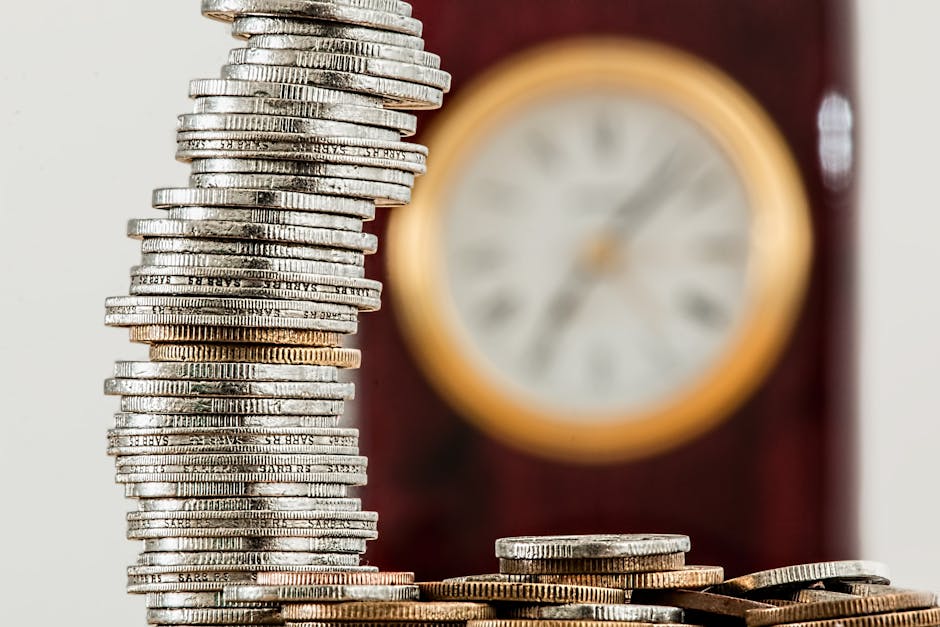
Currency exchange is an essential process for international trade, enabling countries to exchange their local currencies for foreign ones. Understanding the exchange rates and their fluctuations can significantly impact an organization’s profitability. For more information about currency exchange, visit the Forex page at Investopedia.
Trade Barriers
Trade barriers impede cross-border transactions and can take various forms, such as tariffs, quotas, subsidies, and nontariff measures. Being aware of these obstacles is essential for businesses aiming to penetrate foreign markets. Read more about trade barriers on the World Trade Organization’s website.
Conclusion
By understanding balance of payments, currency exchange, and trade barriers, you will be better equipped to navigate the complex world of international trade. If you have any questions or need professional assistance, feel free to contact us at Finmaestros.